
How Corporate Villains Lost Their Menace
A look at why so many cyberpunk antagonists feel toothless lately, and which recent titles managed to write a corporation that actually feels threatening.
From Sharm El Sheikh, we trace the wires beneath the chrome — narrative threads, city design, and the sci-fi worlds that stick with you long after the credits roll.
Enter the CityNew essays on cyberpunk narrative design and city-building aesthetics land regularly — come dig through the archive.
We focus on games built around corporate dystopia, body augmentation, and neon-drenched urban decay — think branching dialogue trees, morally gray factions, and cities that feel like living characters rather than just backdrops.
No. Alongside well-known genre entries, we regularly spotlight smaller narrative-driven projects that experiment with cyberpunk themes but never got mainstream attention, since some of the sharpest world-building happens outside the AAA space.
Our small group of writers formed here in Sharm El Sheikh, Egypt, drawn together by a shared fascination with sci-fi worldbuilding. The desert-and-sea backdrop is a strange contrast to the neon cities we write about, and we like it that way.
We lean toward analysis over rankings — dissecting how a city's lighting design reinforces its themes, or how a character arc mirrors the genre's usual anti-corporate anxieties, rather than assigning arbitrary scores.
Yes. Readers regularly flag lesser-known narrative games or specific plot threads worth unpacking, and several of our deeper essays started as suggestions from the community.
Found this site looking for analysis on branching dialogue systems and ended up reading three essays back to back. The piece on faction loyalty mechanics changed how I replay these games.
Most cyberpunk coverage online is just screenshots and hype. This crew actually breaks down why the city lighting matters to the story. Rare to find that level of depth.
The essay on unreliable narrators in noir-cyberpunk games got shared in three different Discord servers I'm in. People kept quoting specific lines from it.
Recent dives into narrative design, city aesthetics, and the sci-fi worlds we can't stop revisiting.
A look at why so many cyberpunk antagonists feel toothless lately, and which recent titles managed to write a corporation that actually feels threatening.
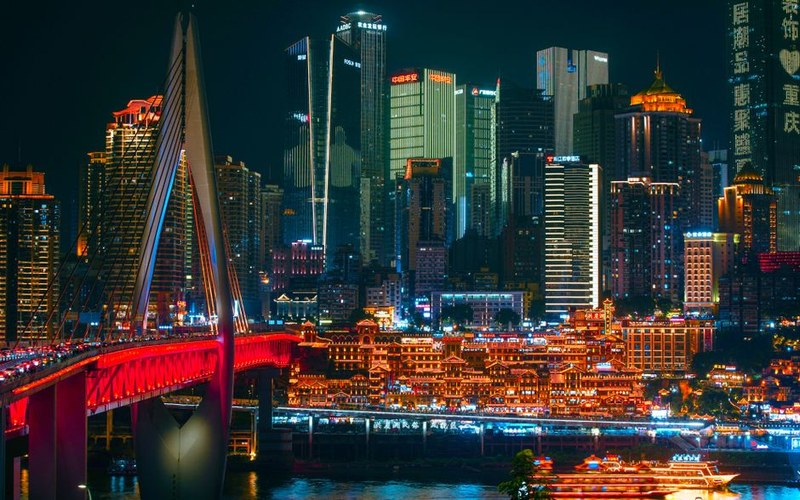
Why so many cyberpunk cities default to perpetual rain, and how a handful of games used weather to reinforce character isolation instead of just mood.

Tracing the well-worn trope of the cybernetic investigator across several narrative games, and where a few titles quietly subverted it.
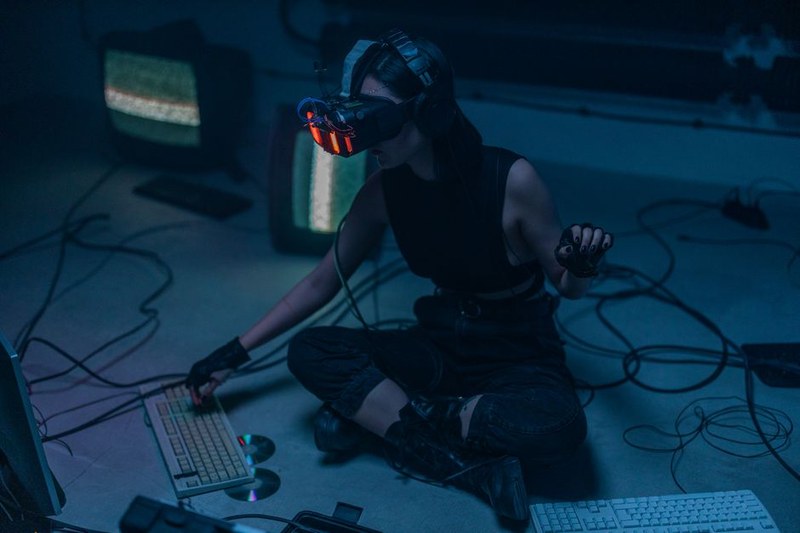
A breakdown of the visual shorthand cyberpunk games use — holograms, mega-corporations, back-alley markets — and what happens when a game skips them.
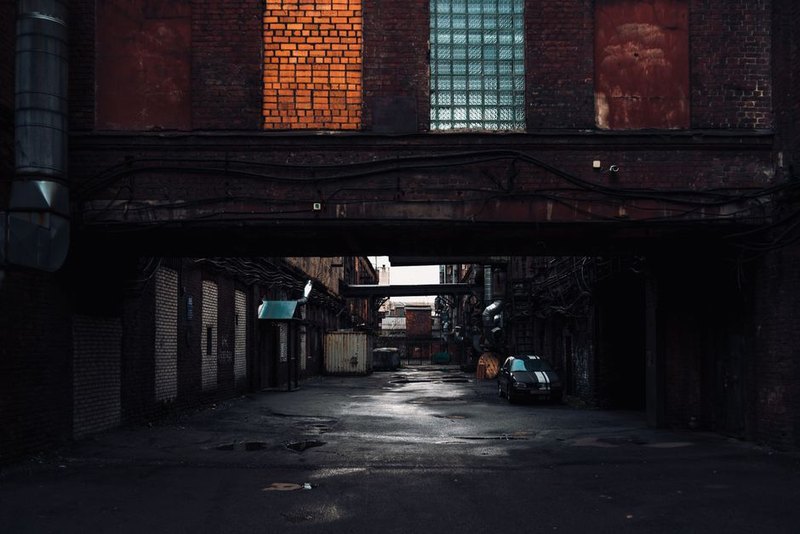
An overlooked narrative title from the genre's quieter years gets a second look, focused on its underrated dialogue writing.
A working shortlist of titles and settings that shaped how we think and write about cyberpunk gaming.
A narrative thread running through several genre titles, exploring black-market body modification and its cost to the characters who choose it.
A recurring character archetype we keep tracing across games — the morally flexible middleman caught between corporations and the street.
Smaller, less-discussed games that experimented with dystopian city design long before it became a genre staple.
How vertical city layouts in these games visually separate the wealthy from everyone else, often without a single line of dialogue.
Branching conversation systems that borrow heavily from detective fiction, filtered through a chrome-and-neon sci-fi lens.
A recurring theme of old-world humanity persisting inside hyper-digital settings, explored across several underrated narrative games.